
Thursday, 7 January 2010

Going To Extremes - 7/1/2010

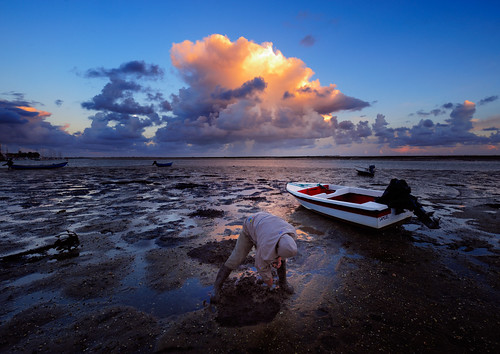
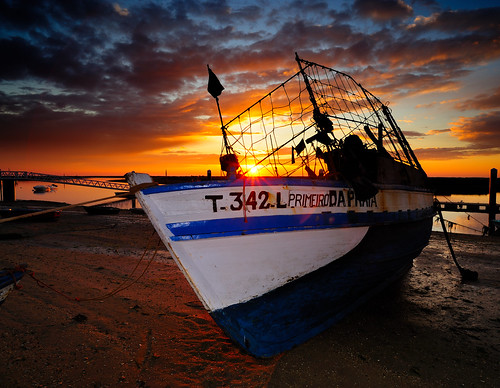
Well, the weather is looking up, and with luck tomorrow I can do some photography instead of talking about it. Oh, and talking about talking about it, today I want to talk about extreme post processing, having demonstrated gentle post processing to lighten the ground and darken the sky last time. Two shots for you, or two versions of the same shot, one heavily post processed, one not:


Such is the prejudice against post processing, or "Photoshopping" as dim and ignorant people call it, that most shooters will prefer the plain version. Yet I've never seen the plain version anywhere, and the other one has been nicked and put everywhere.

In point of fact everything is post processed. When you take a picture, if you are shooting in JPG, then the JPG engine in your camera will apply what it thinks of as the correct amount of saturation, sharpening, contrast etc. On more expensive cameras you can change these settings. That's effectively post processing. If you shoot RAW, then you can change the settings after you've seen the shot. Post Processing. The colourful shot above was processed in Nikon Capture NX. This is a version of the camera JPG engine in software. If I'd whacked up the saturation on the back of the camera, then the shot would, according to some people, not have been post processed. Because I did it afterwards, on the computer, that's cheating, apparently.


Monday, 4 January 2010

Post Processing, Or, As Idiots Would Have It, Cheating - 4/1/2010


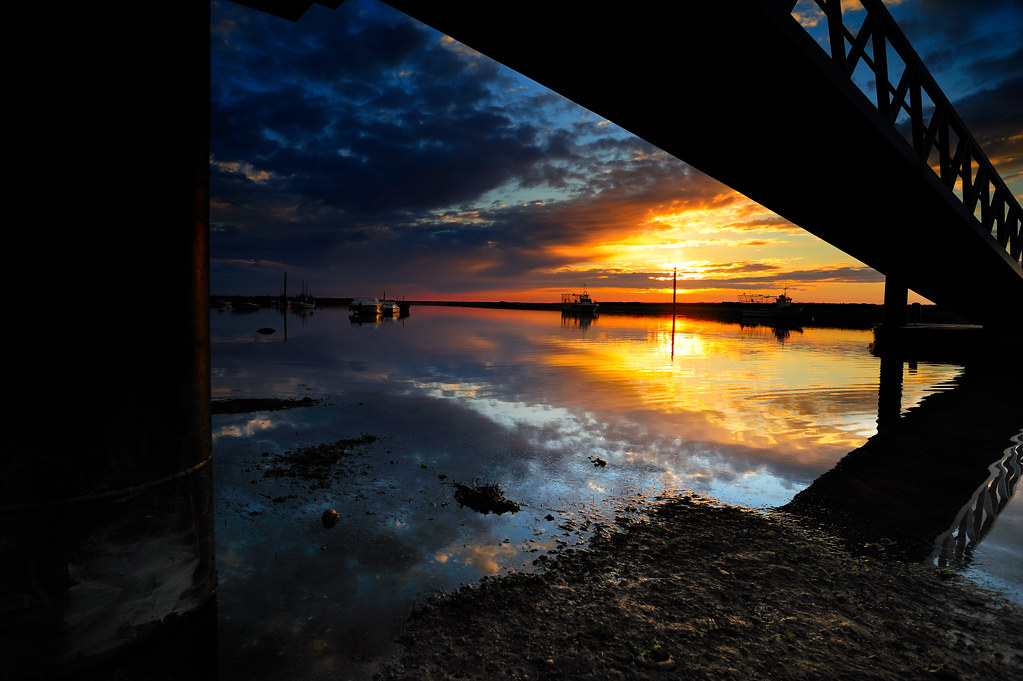
We're looking at ways to manipulate the light so you get closer to what the brain sees rather than what the camera wants to capture. Yesterday I described my preferred method of darkening the sky and lightening the ground, the Graduated Neutral Density Filter. Sometimes you can't use a GND - one common reason in my case is that I'm using a lens too wide to fit one too, such as the Nikkor 14-24 used in these two shots. Then you can do the job in post. In both of these shots the Nikon Capture NX software has been used, but if you have a RAW processor that can't manage this, then process the shot twice, layer the two shots over each other in Photoshop and then use Quick Mask to blend one version into the other.

Sunday, 3 January 2010

Graduated Neutral Density Filters - 3/1/2010


Note the witty title today. These aren't really a very witty subject - they are a grey filter darker at the top than the bottom, and they enable you to have a lit ground with a darker sky. They're pretty essential frankly, yet they are seen as esoteric. If you want to take landscape shots where you can see the ground yet the sky isn't blown out, then you need one. This is probably the most useful tip I've given you so far...

Wednesday, 30 December 2009

On Reflection - 30/12/2009

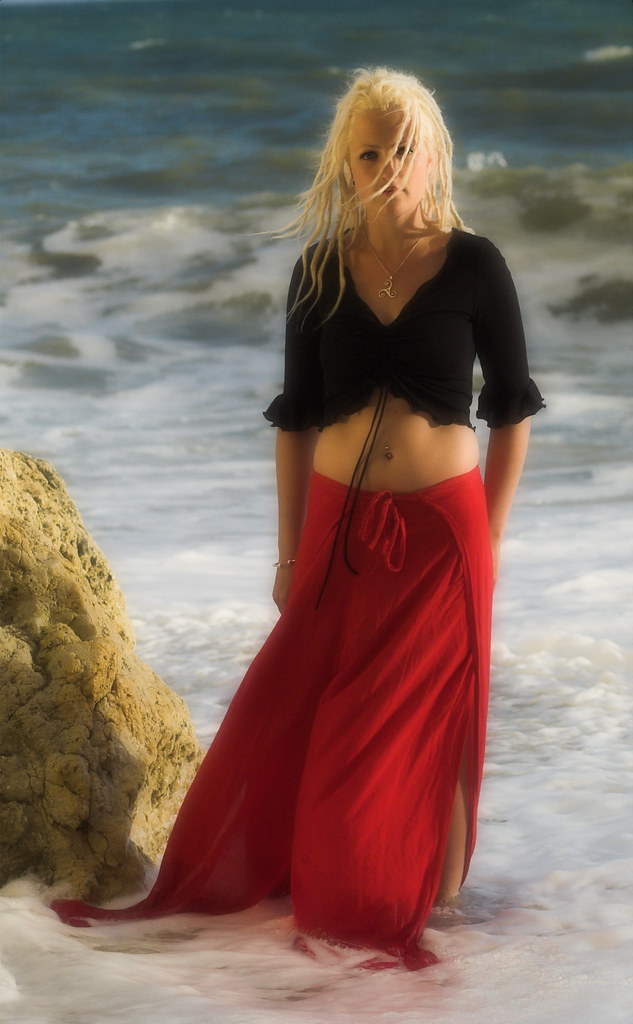
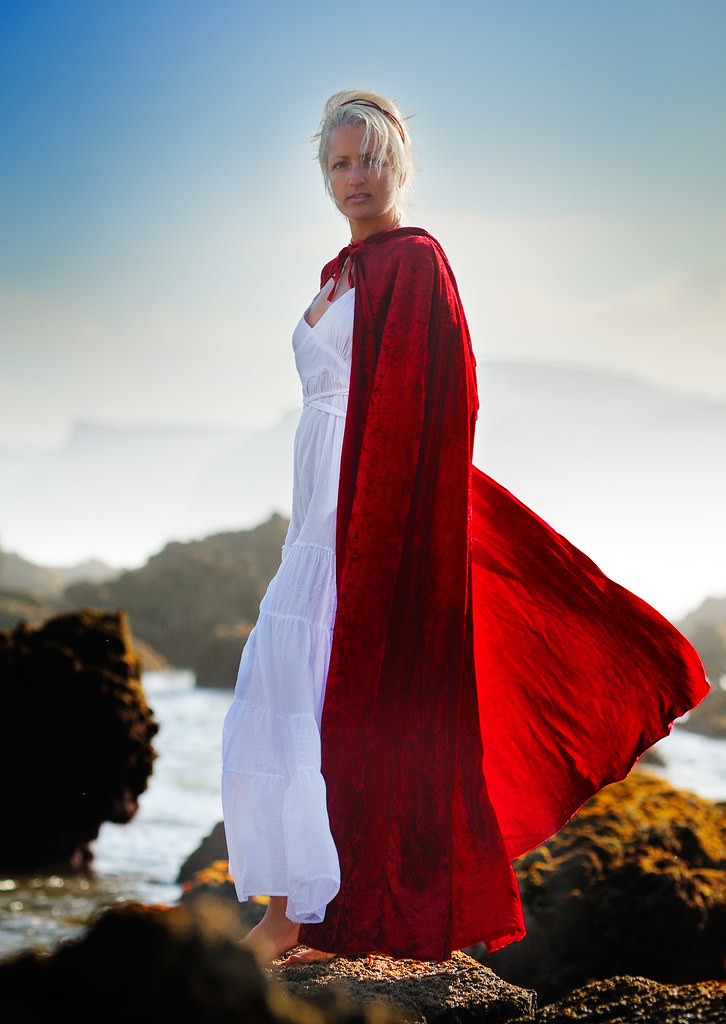
Still chucking down with rain here, thick fog, blocked drains, horrible. So, on with the photo odyssey from the archives. I was talking about altering the light. Last time I talked about fill in flash. This time let's look at reflectors. You can make your own reflector with a bit of white card, with or without silver foil, but these were done with a LaserLite reflector. Nothing very clever, just have your lovely assistant (hello Eva) aim the reflector to light the subject:


Tuesday, 29 December 2009

Flashes Of Inspiration - 29/12/2009

I don't see my task as faithfully snapping what was there. The human eye (or more accurately brain, the eye being very crude) scans a scene, and corrects for light and shadow to get an overall picture. If, as a photographer, you want to catch the sense of what the observer sees, you are going to have to tamper with the light. One of the easiest ways of doing this is to use fill in flash - exposing for lighter parts of the scene and then using a flash to lighten the darker parts and / or the subject.

In this shot the boat has been lit by two small macro flashes:

In this second shot, the on camera flash has been used as fill in to light the reeds:


Monday, 28 December 2009

Lying In A Field, Getting Frustrated - 28/12/2009


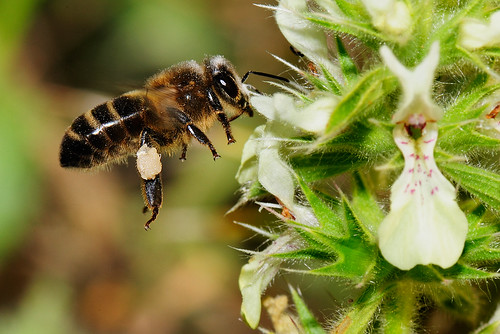
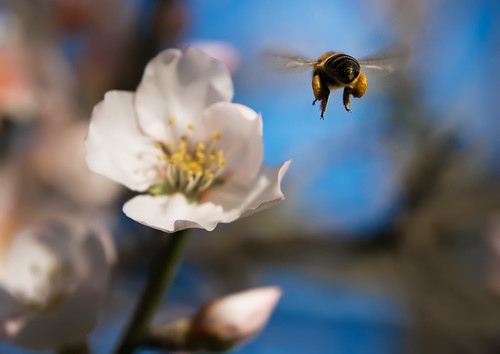
Trying to take pictures of bees in flight is a great way to test your reflexes. Also your patience. I've never yet buried a camera in a field, but if I ever do it will be the fault of the bloody bees. I dread Spring - all that buzzing gives you no choice but to give it a go, and you really are guaranteed a day of little joy. What I hate about the buggers is the way they shoot off just as you press the button, leaving you with shot of a gently waving flower, and possibly a small bit of bee's arse. When I get to rearrange the world, bees will be a lot bigger. And slower moving. And they won't sting, either. In the meantime let me introduce you to a few of the sods. Note the full pollen sacs. Slows them down - well, that's my hope. How is it done? Fill in flash, and C-AF. Note that Oly E3 has performed just as well as the Nikon D3, despite the D3's much vaunted AF.

Sunday, 27 December 2009

Shooting People Is Wrong - 27/12/2009


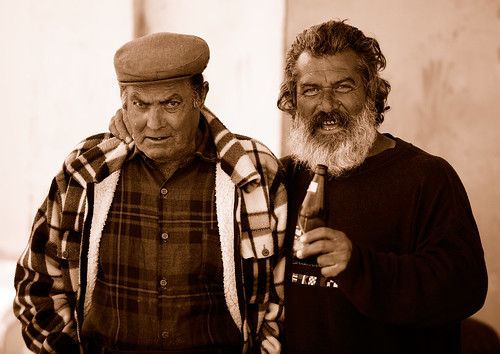
I've never been a huge fan of candid street shooting - it seems to me that if you have to hide what you are doing you shouldn't be doing it, or at least doing it in the privacy of your own home. Even so Portugal is home to a bizarre set of characters, especially the fishermen, and sometimes you just can't resist. Technically, this first shot is done with a long lens, which gives a perspective I prefer, and is shot more or less wide open, to give shallow depth of field and bring out the subject. In fact, if you view this at the full size, you'll see I've gone too far.

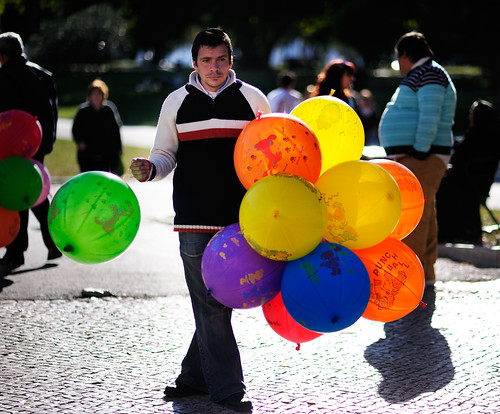
This is pretty reasonable in terms of annoying people going about their daily business - my subjects are playing up for the camera. This second shot is rather naughtier, and not something I'd normally do. I was hungover, in a bad mood, and in a park at Belem (Lisbon, more or less). This rather dodgy character scarpered as soon as I took his photo - I suspect he's probably breaking twenty laws every time he puts on his socks:

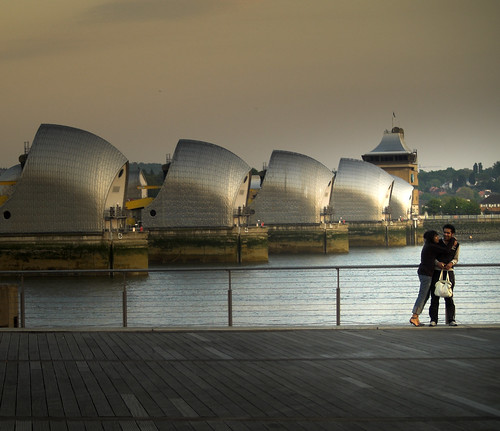
Perhaps even more cheekily, I have no idea who this couple are in front of the Thames Barrier....

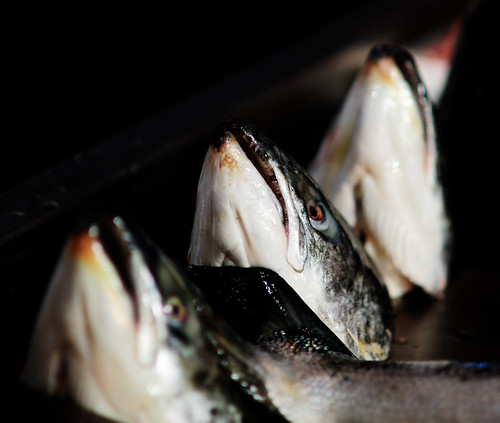
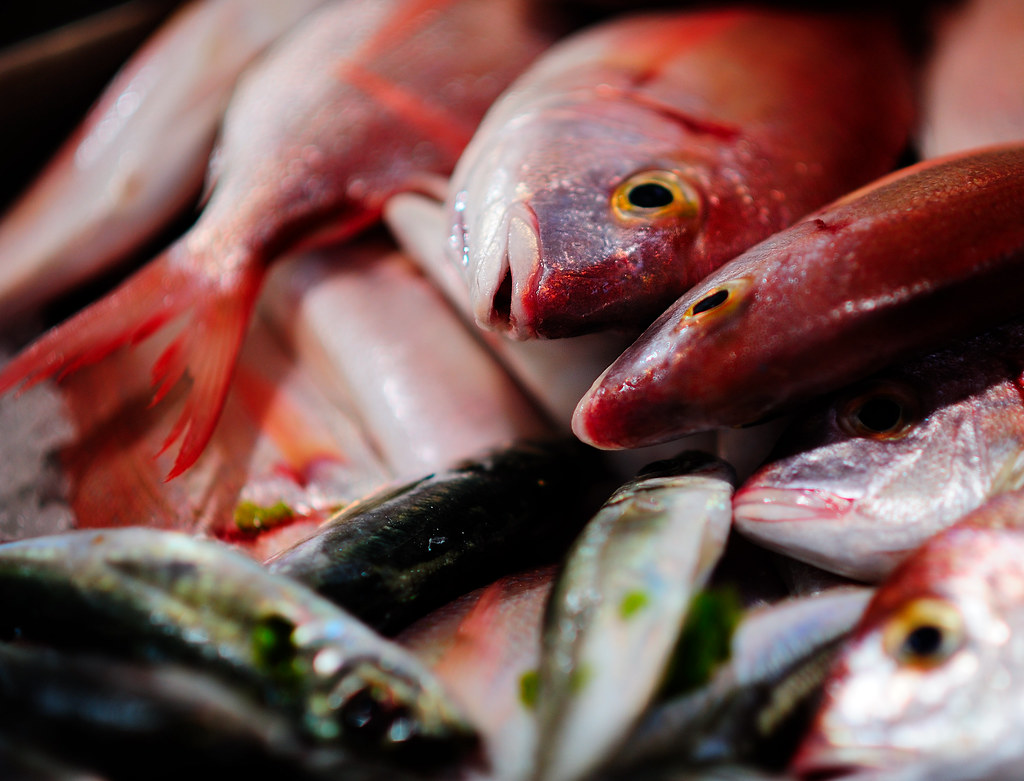
While we are at it, let's see a little of what the fishermen catch...


These last three were all shot with the very fast 105mm f2 on a full frame camera, hence the very shallow DoF.